Storing Your Veg
& Reducing Food Waste
Storing Your Veg & Reducing Food Waste
At Sandy Lane Farm, we celebrate the natural beauty of organically grown vegetables—knobbly, wonky, and full of character. Unlike supermarket produce that prioritises uniformity, our veg is grown for flavour, nutrition, and sustainability, meaning it sometimes comes with a few quirks. We never discard a perfectly good carrot for a few blemishes! However, we know that even the freshest veg can go to waste if not stored correctly at home.
Food waste is a common problem, and a lot of it happens simply because produce is forgotten or stored in a way that shortens its shelf life. A cabbage left too long in the back of the fridge or chard ignored until it’s droopy and unappetising—these are all too familiar scenarios. But with the right storage techniques, you can extend the life of your veg box, make the most of every ingredient, and reduce food waste in your home.
Here are some handy hints and tips to help you store your veg correctly and enjoy it at its best for as long as possible.
How to Store Your Veg for Maximum Freshness
Leafy Greens & Salads
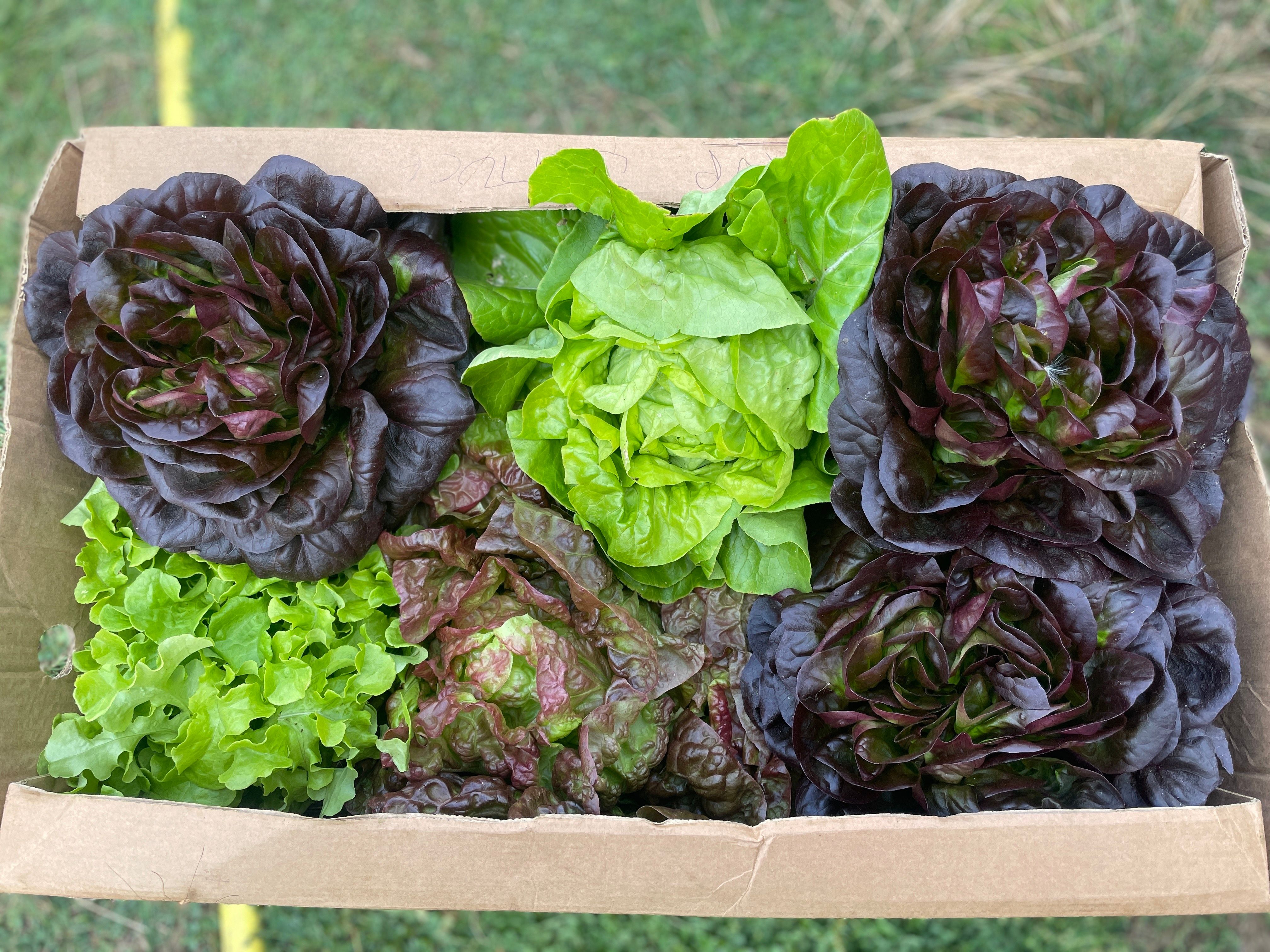
- Salad Leaves: Wash as soon as you get them home, dry thoroughly (a salad spinner works best), and store in a dry, airtight container in the fridge. Lining the container with a clean paper towel will help absorb excess moisture and keep the leaves crisp.
- Chard & Spinach: These can wilt quickly. If they seem droopy, revive them by submerging in cold water for a few minutes, then dry and store as above.
- Kale: More robust than salad leaves but still loses moisture once picked. Store in a breathable bag or container in the fridge.
Herbs
- Trim the stems (as you would a bunch of flowers) and place them in a jar of water. Cover loosely with a bag to retain moisture and extend freshness.
- For long-term storage, wash and finely chop herbs, then freeze them in an ice cube tray with water or olive oil. These 'flavour bombs' are perfect for soups, stews, and sauces.
Root Vegetables & Tubers
- Potatoes: Store in a cool, dry, dark place (not the fridge) to prevent sprouting and sugar conversion, which can lead to undesirable changes in taste and texture.
- Carrots, Beetroot & Parsnips: Keep in the fridge, ideally in a perforated bag or wrapped in a damp cloth to maintain moisture.
- Onions & Garlic: Store in a dry, ventilated space away from potatoes to prevent sprouting.

Squashes & Cabbages
- Winter Squash & Pumpkins: Keep in a cool, dry place where they can last for months.
- Cabbages: Outer leaves may wilt but can be peeled off to reveal fresh layers underneath.
Soft Fruit & Summer Veg
- Soft Fruit (e.g., Berries, Peaches, Plums): Refrigerate immediately to slow ripening. Remove any overripe or mouldy pieces to prevent spoilage.
- Tomatoes: Best kept at room temperature for flavour. If they start to soften too much, pop them in the fridge to extend their life.
- Cucumbers & Peppers: Store in the fridge in a crisper drawer to maintain their crunch.

Reducing Food Waste: Tips & Tricks
- Plan Your Meals
Planning ahead helps ensure you use all your veg before it spoils. Batch cooking, meal prepping, or simply making a list of dishes for the week can make a huge difference.
- Eat in Priority Order
- Eat delicate, leafy veg (salads, spinach, herbs) first.
- Root veg, squash, and cabbages last much longer and can be used later in the week.
- Get Creative with Leftovers
- Slightly wilted greens? Stir them into soups or pasta.
- Overripe fruit? Blend into smoothies or bake into crumbles.
- Too many veg? Roast them together for an easy traybake.
- Investigate Before Discarding
Just because a veg looks a little past its best doesn’t mean it’s inedible. Peel off the outer layer of a cabbage, cut away blemishes on root veg, or soak limp greens in cold water to revive them.
By storing your veg correctly and making small habit changes, you can reduce waste, save money, and enjoy your fresh produce for longer. Happy cooking!





© 2026 - Sandy Lane Farm
Powered by
